





















Right, we need to talk about something that’s been frustrating installers and site managers for years. How do you get proper CCTV coverage on a site that has no mains power and no internet connection? We’re talking construction sites, remote farmland, storage yards, temporary event spaces, the kinds of places where running cables is either impossible or costs more than the cameras themselves.
At ERTECH, we’ve been supplying security equipment to the UK trade for over a decade, and the number of enquiries we get about off-grid CCTV has gone through the roof in the last couple of years. The good news? 4G solar security cameras have finally reached a point where they genuinely work as a long-term solution, not just a gimmick. We stock the Hikvision solar range and we’ve seen first-hand what these cameras can do on real sites across the UK.
If you’ve been looking at options for securing a remote location without mains power or broadband, this guide covers everything you need to know, from how the technology works to which models we’d actually recommend.
Why Remote Sites Are Still a Massive Security Problem in the UK
Let’s not sugar-coat it. Theft from unprotected sites is costing UK businesses a fortune. Construction site theft alone costs the industry over 800 million pounds per year according to the Chartered Institute of Building. Rural crime hit 44 million pounds in 2024, with farms losing quad bikes, tools, livestock, and machinery on a regular basis.
The problem isn’t that people don’t want CCTV on these sites. It’s that traditional cameras need two things most remote sites simply don’t have: a mains power supply and a network connection. You can run temporary power with generators, sure, but that’s diesel costs, maintenance, and another thing for thieves to nick. You could install a temporary broadband line, but that takes weeks and costs a packet for a site that might only be active for six months.
This is exactly the gap that 4G solar cameras fill. No mains power needed. The solar panel charges the battery. No broadband needed. A 4G SIM card handles the connectivity. Mount it on a pole, point it at the area you want covered, and it’s live within minutes.
How 4G Solar Security Cameras Actually Work
The concept is straightforward, but the engineering behind it has improved massively in the last two years. Here’s what’s inside a modern 4G solar camera kit:
- Solar panel: typically 30W to 80W depending on the model. This charges the internal battery during daylight hours, even on overcast UK days (though obviously slower than in direct sun).
- Rechargeable battery: lithium-ion, usually rated for 5-7 days of operation without any sun at all. That’s important for British winters.
- 4G LTE module: takes a standard nano-SIM card. Connects to the mobile network just like your phone, so the camera can stream live video and send alerts from anywhere with a signal.
- MicroSD card slot: for on-board recording as a backup or primary storage.
- AI-powered motion detection: this is crucial for battery life. Instead of recording 24/7, the camera uses smart detection to distinguish between people and vehicles versus animals, rain, or moving branches. It only fully wakes up when something that actually matters triggers it.
The camera connects to the manufacturer’s cloud platform (Hik-Connect in the case of Hikvision), so you can view live feeds and playback footage on your phone from anywhere in the world. Most models also support RTSP streaming if you want to pull them into a local NVR or VMS.

What Hikvision’s AOV Technology Has Changed
Hikvision launched their AOV (Always-On Video) 4G Solar Camera Series in late 2025, and honestly, it’s a proper step up from the previous generation of solar cameras we’d been selling.
The biggest complaint we used to hear about solar cameras was “they only record clips when motion is detected, what about the gaps?” Fair point. If someone approaches slowly or the detection misses the first few seconds, you could lose critical footage. Older solar cameras had to be aggressive about sleeping to conserve battery, which meant gaps in coverage.
AOV solves this with a dual-mode approach:
- Idle mode: the camera captures 1 frame every 2 seconds. Not full video, but enough to see what’s happening around the site at any given moment.
- Active mode: when the AI detects a person or vehicle, the camera immediately switches to 15fps full video recording. You get smooth, detailed footage of any actual security event.
The result is something very close to continuous recording without hammering the battery. Hikvision rates the AOV cameras for 7 days of autonomy without any solar input at all. In practice, during a typical UK spring or summer, the solar panel keeps the battery topped up indefinitely.
Other improvements in the latest generation include better AcuSense AI (fewer false alarms from animals and headlights), ColorVu night vision for colour footage even in low light, and faster 4G LTE connectivity for smoother live viewing. If you want to understand how ColorVu technology works, we covered it in detail in our colour night vision CCTV cameras guide.
The 4G and Solar Camera Range at ERTECH
We carry two main Hikvision 4G solar camera kits that cover the vast majority of use cases our customers bring to us:
Hikvision DS-2XS6A87G1: 8MP 4K AcuSense ColorVu Bullet

This is the one we recommend for most fixed-position applications. Key specs:
- 8 megapixels (4K resolution): sharp enough to identify faces and read number plates at reasonable distances
- AcuSense AI: person and vehicle classification to cut false alarms
- ColorVu: full-colour footage in low light conditions
- 4G LTE connectivity: works on all major UK networks
- Built-in solar panel and battery kit: complete self-contained unit
- IP67 weatherproof: rated for -20C to 55C, handles British weather without fuss
- MicroSD slot: up to 256GB for local recording
It’s a solid all-rounder. Mounts on a pole or wall bracket, points at your target area, and the solar panel tilts to catch the most sun. We’ve seen these deployed on construction sites, farmyards, and storage compounds across the South East and beyond. Browse the full specs and pricing on our DS-2XS6A87G1 product page.
Hikvision DS-2DE5425IWG-K/4G: 4MP 25x PTZ Solar Kit

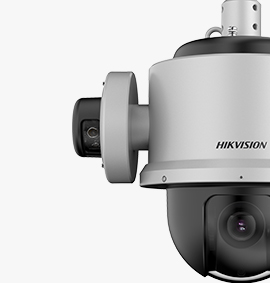
For sites where you need to cover a large area or want the ability to pan, tilt, and zoom remotely, this is the one. It’s a proper PTZ dome with 25x optical zoom, mounted on a solar-powered mast kit.
- 4 megapixels: with 25x zoom, you can read a number plate from well over 100 metres away
- Pan/tilt/zoom: full 360-degree rotation, controllable from your phone
- Auto-tracking: the camera can follow a moving person or vehicle across the scene automatically
- 4G LTE: same mobile connectivity as the bullet model
- Solar panel and battery mast: complete self-supporting installation
- IR night vision to 150 metres
At around 1,800 pounds, it’s a bigger investment, but for high-value sites like plant yards, equipment compounds, large building projects, the coverage you get from a single PTZ is often worth more than three or four fixed cameras. View the full PTZ solar camera kit on our site.
Hikvision IDS-MCD202-BS: Portable Deep Learning 4G PTZ Kit


For sites that need the absolute maximum in portable surveillance capability, the Hikvision Portable PTZ Kit is a serious bit of kit. This is a full 30x optical zoom PTZ dome with built-in 4G, WiFi, GPS, and Bluetooth, all running off an internal rechargeable battery rated for up to 9 hours of continuous operation.
Key features include 1080p deep learning video with 100-metre IR night vision, dual microSD card slots (up to 256GB each), a magnetic base for quick mounting on vehicles or metal structures, and AI-powered smart detection. It’s designed for rapid deployment scenarios, think event security, traffic monitoring, emergency response, or any situation where you need professional-grade surveillance set up in minutes and moved just as quickly.
This is specialist equipment and priced accordingly. Give us a call for pricing. View the Portable 4G PTZ Kit on our site.
You can browse our complete solar and battery camera range here.
Where UK Businesses Are Deploying 4G Solar Cameras
We’ve supplied these cameras for all sorts of sites over the last couple of years. Here are the most common use cases we see:
Construction Sites
This is the biggest market by far. Plant machinery, copper cable, tools, building materials. Construction sites are a magnet for thieves, particularly at night and over weekends when nobody’s around. A 4G solar camera can be up and running within an hour of arriving on site. When the project finishes, you unbolt it and take it to the next job. No cables to decommission, no broadband contract to cancel. Several of our trade customers rotate the same cameras between their sites throughout the year.
Farms and Rural Properties
Barn break-ins, quad bike theft, livestock rustling, fly-tipping on private land. Rural crime is relentless and police response times outside cities can be painfully long. A 4G solar camera on a barn or gate gives you instant alerts on your phone and recorded evidence to hand to the police. Some of our farming customers have paired these cameras with Ajax wireless alarm systems for a complete off-grid security setup covering both buildings and perimeters.
Temporary Events and Festivals
Event organisers need CCTV for public safety and insurance purposes, but the site only exists for a few days or weeks. 4G solar cameras can be deployed and removed without any permanent infrastructure. They’re also useful for monitoring setup and teardown periods when sites are most vulnerable to opportunistic theft.
Storage Yards and Car Parks
Container yards, vehicle storage, caravan parks, boat yards, any outdoor area where valuable assets sit in the open. The PTZ model is particularly popular here because a single camera on a tall mast can sweep an entire compound, and the auto-tracking picks up anyone who shouldn’t be there.
Utilities and Infrastructure
We’ve supplied cameras for monitoring remote substations, telecoms masts, water treatment sites, and highway works. These are sites that might be miles from the nearest building, with absolutely no realistic way to run power or data cables to them.
Picking the Right SIM Card for Your 4G Camera
This is something people often overlook until the camera is already mounted on a pole in the middle of a field. Your 4G camera is only as reliable as its mobile signal, so SIM card choice actually matters quite a lot.
Our recommendation: use a multi-network roaming SIM rather than locking yourself to a single carrier. A roaming SIM will automatically connect to whichever network has the strongest signal at your location: EE, Three, Vodafone, or O2. This is particularly important for rural and remote sites where coverage from any single network can be patchy.
CSL Group supply excellent roaming SIMs that work perfectly with Hikvision cameras. If you’re already using Ajax alarm systems, you might be familiar with CSL’s data SIMs. We wrote about them in our post on Ajax CSL roaming SIMs in the UK. The same principle and the same SIM providers apply for 4G cameras.
Data usage varies depending on how much live viewing you do and your recording settings, but expect somewhere between 2GB and 10GB per month for a typical installation. Most SIM providers offer data-only plans starting around 5 to 8 pounds per month, which is reasonable for the peace of mind you get.
Installation Tips We’ve Picked Up Along the Way
We’ve been through enough solar camera installations now to know what works and what causes headaches down the line. A few practical tips from real jobs:
- Face the solar panel south: sounds obvious, but we’ve genuinely seen installations where the panel faces north and the customer wonders why the battery keeps dying in winter. In the UK, south-facing at about 35-40 degrees tilt gives you the best year-round solar charge.
- Check mobile signal before you commit: take your phone to the exact mounting location and check signal strength on multiple networks. Better still, use a dedicated signal meter. If you can’t get at least 3 bars of 4G, you’ll struggle with smooth live viewing.
- Mount high, but keep it accessible: mount the camera high enough to discourage vandalism and get a decent viewing angle, but not so high that you need a cherry picker every time you want to swap the SD card. 3 to 4 metres is usually the sweet spot for most sites.
- Keep the panel clean: bird droppings, dust, and leaf debris reduce charging efficiency. A quick wipe with a damp cloth every few months makes a noticeable difference, especially during the shorter winter days when you need every bit of charge you can get.
- Set detection zones carefully: the AI is good, but it’s not magic. If you point the camera at a busy public road, you’ll drain the battery with constant vehicle detections. Set the detection zone to cover just the area you actually care about, and exclude footpaths and roads where possible.

Solar vs Traditional Wired CCTV: When Each Makes Sense
We’re not suggesting you replace every wired camera with a solar one. They’re different tools for different situations. Here’s how we think about it when advising our customers:
Use 4G solar when:
- There’s no mains power at the site, or running power would cost more than the camera itself
- The site is temporary (construction projects, seasonal use, events)
- There’s no broadband or Ethernet available
- You need to deploy quickly without waiting weeks for infrastructure
- You want a camera you can move between sites as projects change
Stick with traditional wired CCTV when:
- Mains power and network cabling are already available
- You need 24/7 continuous recording at full frame rate with no gaps
- The installation is permanent and long-term
- You need lots of cameras on one site. An NVR with 16 wired cameras will always be more cost-effective than 16 individual solar cameras
Many of our trade customers use both approaches. They have permanent wired systems on their main premises and rotate a pair of solar cameras between remote sites and temporary jobs as needed. It’s a practical, cost-effective way to get coverage everywhere without overspending.
What to Check Before You Buy a 4G Solar Camera
Not all solar cameras are created equal, and there’s a lot of cheap rubbish being sold online that won’t survive a British autumn, never mind a full winter. Before you commit to a purchase, here’s our checklist:
- Resolution: 4MP minimum for anything you’re taking seriously. 8MP (4K) if you need to identify faces or read number plates at distance.
- Battery capacity: how many days will it last without any sun? Anything less than 5 days is risky for UK winters. The Hikvision AOV range manages 7 days, which gives you a good safety margin.
- Solar panel wattage: higher is better for UK conditions. 30W is the minimum we’d recommend. Some budget cameras ship with tiny 5W panels that simply cannot keep up with demand during winter months.
- 4G network compatibility: make sure it supports UK LTE bands (B1, B3, B7, B8, B20). All the Hikvision models we stock are fully certified for UK networks.
- App and cloud platform: can you view live footage on your phone reliably? Is there a monthly subscription for cloud storage, or is basic access free? Hik-Connect is free for basic use, which keeps running costs down.
- Weatherproofing: IP66 minimum. IP67 is better. The camera needs to survive driving rain, frost, and 35-degree summer heat without any degradation.
- AI detection quality: cheap cameras trigger on every cat, fox, and branch blowing in the wind, which drains the battery and floods you with useless notifications. Good AcuSense AI distinguishes humans and vehicles from everything else and saves your battery in the process.
- Warranty and UK support: buying from a proper UK distributor like ERTECH means you get real warranty support and technical help when you need it. We’ve seen too many customers burned by cheap imports from marketplace sellers with no UK presence and no after-sales support.
Get 4G Solar Cameras from ERTECH
We stock the full Hikvision solar camera range and we’re here to help you pick the right model for your project. Whether you’re an installer buying for trade or an end user looking to secure a remote site, give us a shout and we can talk through the best setup for your situation.
Give us a call on 020 8804 6680 or browse the range online. We also supply Tiandy cameras as a budget-friendly alternative for less demanding installations where you don’t need the full Hikvision spec.
For a complete off-grid security system, consider pairing your solar cameras with an Ajax wireless alarm system. The combination of wireless CCTV and wireless intruder detection gives you serious, professional-grade protection without running a single cable. We covered how you can connect cameras to Ajax systems in a separate guide if you want to explore that further.
Frequently Asked Questions
Do 4G solar security cameras work properly in the UK winter?
Yes, but with some caveats. The best models like the Hikvision AOV range are rated for 7 days of operation without any solar input, which covers most prolonged dark and overcast spells. In December and January, you might see the battery drop to 50-60% during a week of heavy cloud, but it recovers as soon as there’s some daylight coming through. We’ve not had a customer report a complete winter power failure on the Hikvision models we supply.
How much mobile data does a 4G security camera use per month?
It depends on your viewing habits. If you’re only receiving motion alerts and watching short clips when something triggers, 2-3GB per month is typical. If you regularly live-view the camera for extended periods throughout the day, you could use 8-10GB. Recording to the on-board SD card uses no mobile data at all. Data is only consumed when you stream footage to your phone or the camera uploads to the cloud.
Can I view multiple 4G solar cameras on one app?
Yes. The Hik-Connect app lets you add as many cameras as you like to a single account. You can view them all from one dashboard, regardless of where they’re physically located. So if you’ve got one camera on a building site in Manchester and another on a farm in Kent, they both show up in the same app on your phone.
Are 4G solar cameras better value than hiring a mobile CCTV tower?
For short deployments of just a few weeks, hiring can make financial sense. But if you need coverage for several months or you work across multiple sites throughout the year, buying your own camera is almost always cheaper in the long run. A mobile CCTV tower hire typically runs 300-500 pounds per month. The Hikvision 8MP solar bullet kit pays for itself within a few months of ownership, and after that the only running cost is the SIM card.
Do I need planning permission to install a 4G solar CCTV camera?
Generally no, for security cameras on private land. The same rules apply as for standard CCTV installations. You need to comply with the ICO’s CCTV code of practice and display appropriate signage informing people they’re being recorded. If the camera is mounted on a pole above a certain height or in a conservation area, you may need to check with your local planning authority first. For temporary construction site use, planning permission is almost never required.
Can a 4G solar camera connect to my existing NVR or recording system?
Some models support RTSP streaming, which means you can pull the video feed into a compatible NVR or video management system over the network. However, since these cameras connect via 4G rather than your local Ethernet, there’s additional latency and ongoing data costs to factor in. Most users find the combination of the Hik-Connect app for live viewing and the SD card for local recording is more than sufficient for standalone remote deployments.
What happens if the 4G mobile signal drops temporarily?
The camera continues recording to the on-board SD card regardless of mobile network connectivity. You just won’t receive real-time push notifications or be able to live-view until the signal comes back. All footage is preserved locally on the card. When the 4G connection restores, any queued motion alerts are sent through to your phone as normal.
Latest Posts

Tiandy Thermal Cameras UK: Fire Prevention and ...
19 April 2026 Comments Off on Tiandy Thermal Cameras UK: Fire Prevention and Perimeter Security